
.png)
For individuals seeking a refined, feminine, or slimmer lower facial profile, V-Line Jaw Surgery in South Korea represents the gold standard in global aesthetic medicine. This transformative procedure goes beyond simple bone reduction; it is an architectural reshaping of the face designed to achieve perfect symmetry and the coveted "V-shape" contour.
South Korea has cemented its reputation as the "Plastic Surgery Capital of the World," particularly for facial bone contouring procedures. With a concentration of highly specialized maxillofacial surgeons in districts like Gangnam, Seoul, international patients find a level of expertise and technological advancement that is often unavailable or prohibitively expensive in the West. This guide explores the comprehensive journey of undergoing V-Line surgery in Korea, from cost benefits to advanced surgical techniques.
Key Takeaways: Procedure Snapshot
Choosing to undergo facial contouring in Seoul offers a blend of affordability and world-class medical safety. Patients typically save 50-70% compared to US prices while accessing surgeons who perform these specific procedures daily.
Packages often include airport transfers, translation services, and post-op care, making the logistics of medical tourism in Korea seamless for visitors from the US, Europe, and Southeast Asia.
- Average Savings: 60% less than the USA/UK/Australia.
- Recovery Time: 2 weeks for initial healing; 6-12 months for final results.
- Inclusions: CT scans, anesthesia, hospitalization (1 night), and follow-up checks.
- Estimated Costs by Region:
- South Korea (Seoul): $5,000 – $12,000
- Thailand (Bangkok): $3,500 – $5,000
- USA (Los Angeles/NY): $20,000 – $50,000
Understanding V-Line Surgery: More Than Just Reduction
V-line surgery is a combination procedure that reshapes both the mandible and the chin to create a continuous, smooth curve. It addresses square jaws, broad chins, and asymmetry in a single operation.
The term "V-Line" refers to the continuous curve extending from the earlobes down to the tip of the chin. V-Line Surgery is not a single medical procedure but rather a combination of Mandibuloplasty (jaw reduction) and Genioplasty (chin surgery). Unlike simple jaw shaving, which only softens the angle beneath the ear, V-line surgery reconstructs the entire lower face to narrow the width and refine the chin point.
This procedure is particularly effective for patients with a square jaw, a short or broad chin, or facial asymmetry. By utilizing techniques like the T-osteotomy—originally developed for cancer and trauma reconstruction—Korean surgeons can fracture and reset the chin bone to narrow it, while simultaneously smoothing the mandibular angle. The result is a slender, youthful, and harmonious facial front and profile.
The T-osteotomy technique used in V-Line surgery allows surgeons to adjust the chin's length and position without using implants. This reduces the risk of infection and rejection associated with synthetic implants, offering a permanent, natural solution for patients seeking chin augmentation in Korea.
Why Choose South Korea for Facial Contouring?
South Korea leads the world in craniofacial surgery volume, driving unparalleled surgeon expertise. The integration of 3D CT technology and specialized safety systems makes Seoul a top destination.
When it comes to facial bone surgery, experience is the most critical safety factor. South Korean surgeons in cities like Seoul and Busan perform thousands of V-line surgeries annually, compared to Western surgeons who may only perform a few dozen. This high volume leads to mastery of the anatomy, shorter surgery times, and significantly lower complication rates.
Furthermore, Korean clinics are equipped with state-of-the-art diagnostic tools. 3D CT scanning is standard protocol, allowing the medical team to map the location of the inferior alveolar nerve—the nerve running through the jaw—with sub-millimeter precision. This technology is vital for preventing nerve damage, a primary concern in jaw surgery. Facilities often feature hospital-grade safety systems, including uninterrupted power supplies (UPS) and dedicated anesthesia specialists who monitor the patient throughout the operation.
"The aesthetic standard in Korea emphasizes 'natural harmony' over drastic artificial changes. A top surgeon in Gangnam doesn't just cut bone; they analyze the ratio of the eyes, nose, and lips to sculpt a jawline that balances the entire face. This holistic approach is why Korean plastic surgery results often look undetectable yet transformative."
The V-Line Surgery Procedure: Step-by-Step Treatment Journey
From advanced digital planning to the final stitch, the V-line procedure is a meticulously choreographed sequence. It involves precise bone cutting, shaping, and fixation under general anesthesia.
1. Consultation and 3D Planning
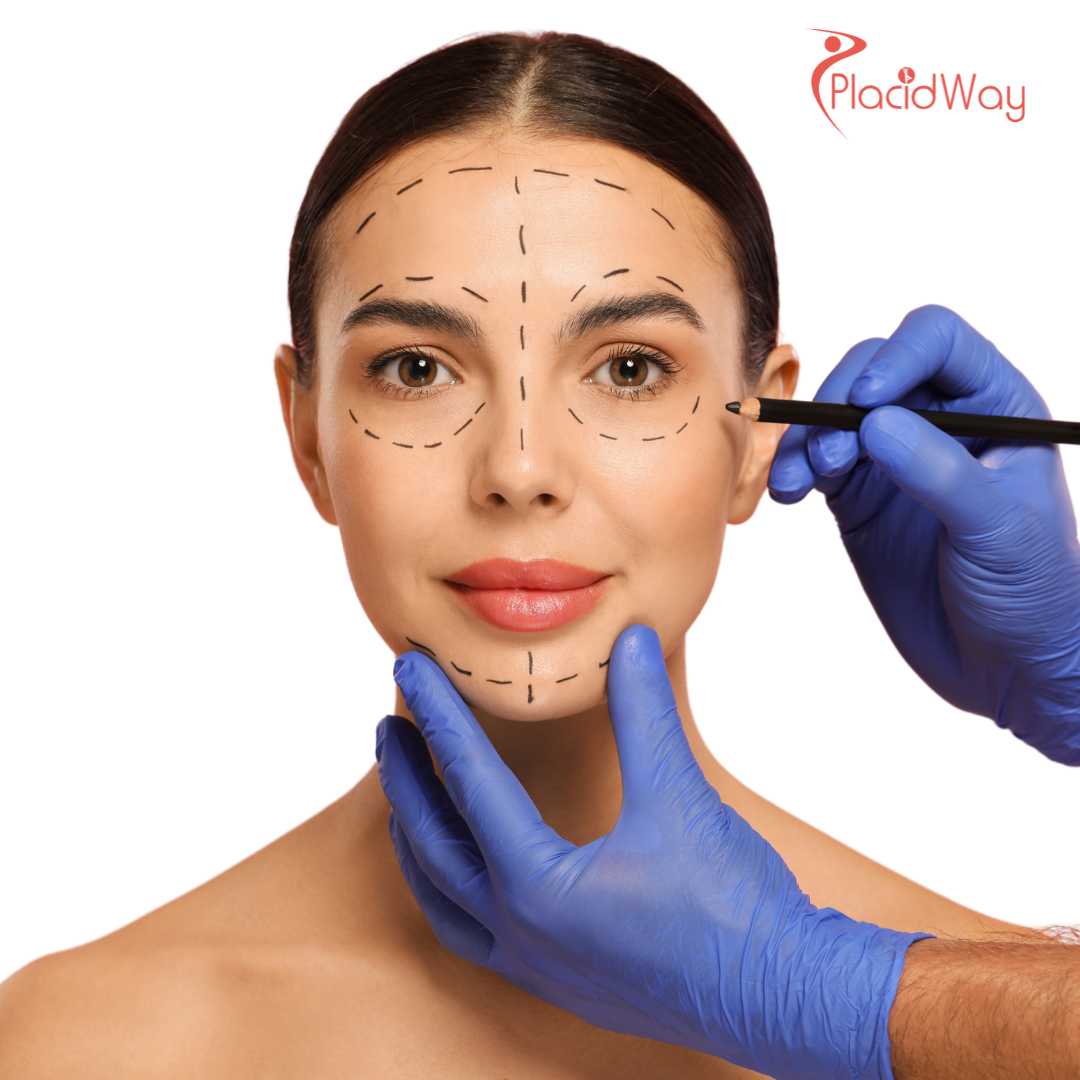
The journey begins with a comprehensive consultation. A 3D CT scan is taken to visualize the bone structure, nerve pathways, and muscle thickness. The surgeon uses this digital model to simulate the post-surgical result and plan the exact cutting lines (osteotomy lines) to ensure symmetry and safety.
2. Anesthesia and Incision
The surgery is performed under general anesthesia to ensure patient comfort and safety. Incisions are made strictly intraorally (inside the mouth), between the gum and cheek. This approach ensures there are no visible external scars on the face, a hallmark of high-quality cosmetic surgery in Korea.
3. Bone Reshaping and Fixation
The surgeon performs the cortical bone resection (shaving the outer layer of the jaw) to reduce width. If necessary, a T-osteotomy is performed on the chin: the central bone is cut in a T-shape, the middle section is removed, and the remaining sides are brought together to narrow the chin. The bones are secured with biocompatible titanium pins and plates, which permanently fuse with the bone.
4. Closing and Recovery
Once the contouring is complete, the incisions are closed with dissolvable stitches. A compression bandage is applied to the face to minimize swelling and support the new tissue structure. The entire procedure typically takes 1.5 to 3 hours, depending on complexity.
Ideal Candidates for V-Line Surgery
Candidates are typically those with a wide lower face or square jaw. Good physical health and realistic expectations are prerequisites for this invasive procedure.
While many desire a slimmer face, V-Line surgery is a major orthopedic procedure best suited for specific anatomical issues. Ideal candidates include:
- Individuals with a square or U-shaped jawbone that makes the face look masculine or stern.
- Patients with a chin that is too long, short, or retracted.
- Those with facial asymmetry where one side of the jaw is larger than the other.
- Patients with good skin elasticity; firm skin is required to "snap back" and conform to the new, smaller bone structure.
Not all square jaws require surgery. If your wide jaw is caused by an enlarged masseter muscle (often from teeth grinding) rather than bone, non-surgical Botox injections can slim the jawline significantly. A reputable Korean plastic surgeon will always rule this out before recommending invasive surgery.
Cost of V-Line Surgery in South Korea vs. Global Destinations
South Korea offers a premium medical experience at a fraction of Western costs. The price includes advanced pre-op testing and specialized post-op care.
The cost of V-Line surgery packages varies based on the clinic's tier, the surgeon's experience, and whether additional procedures like buccal fat removal are included. However, compared to the US or Europe, Korea remains highly competitive.
| Country | Procedure | Price Range (USD) | Includes | Avg. Stay |
|---|---|---|---|---|
| South Korea (Seoul) | V-Line Surgery | $5,000 – $12,000 | Surgery, Anesthesia, CT Scan, 1 Night Hospital | 10-14 Days |
| USA | Jaw Contouring | $20,000 – $50,000 | Surgery, Facility Fee (Often excludes Anesthesia) | Outpatient |
| Thailand | V-Line / Jaw Shaving | $3,500 – $5,000 | Surgery, Basic Meds, Transfers | 10-14 Days |
| India | Mandible Reduction | $3,800 – $4,800 | Surgery, Hospital Stay, Nursing | 10-12 Days |
| Mexico | Jaw Contouring | $4,500 – $6,500 | Surgery, Ground Transport | 7-10 Days |
Recovery and Aftercare in Seoul
Recovery is a journey requiring patience. While initial healing happens in weeks, the final refined V-shape emerges over several months as swelling dissipates.
Post-operative care is a cornerstone of the Korean medical tourism experience. Most patients stay in the hospital for one night for monitoring. Upon discharge, you will be given a compression garment which must be worn religiously to prevent fluid buildup and assist skin retraction.
For the first week, a liquid diet is strictly enforced to protect the intraoral incisions. Soft foods can be reintroduced in the second week. While you can walk around and explore Seoul after 3-4 days, strenuous activity must be avoided. Stitches are typically removed 14 days post-surgery, marking the end of the initial recovery phase.
"Patients often worry about 'chipmunk cheeks' immediately after surgery. This is normal. Deswelling treatments offered by Korean clinics, such as LED light therapy and oxygen chambers, can accelerate recovery by 30%. True results typically begin to shine through at the 3-month mark, with the final contour visible at 6 months."
Safety and Risks: What You Need to Know
Like all surgeries, V-Line procedures carry risks. Understanding nerve proximity and potential skin sagging is crucial for informed consent.
Safety in maxillofacial surgery relies heavily on the surgeon's precision. The primary risk is damage to the inferior alveolar nerve, which can cause temporary or permanent numbness in the lip and chin. This is why 3D CT diagnostics are non-negotiable. Other potential risks include infection, asymmetry, or hematoma.
Another consideration is skin sagging. If a significant amount of bone is removed in an older patient with lower skin elasticity, the skin may droop. In such cases, surgeons may recommend concurrent lifting procedures (like a mini-facelift or thread lift) to ensure the soft tissue tightly hugs the new jawline.
Selecting the Right Clinic in Korea
Choosing a clinic goes beyond Instagram photos. Accreditation, board certification, and emergency infrastructure are the true markers of quality.
With hundreds of clinics in Gangnam, selecting the right one can be daunting. Prioritize clinics that are Ministry of Health and Welfare (MOHW) certified to treat foreign patients. Look for JCI (Joint Commission International) accreditation or local KAHF (Korean Accreditation Program for Hospitals Serving Foreign Patients) certification, which guarantees rigorous safety protocols.
Ensure your surgeon is a Board-Certified Plastic Surgeon or a specialist in Oral and Maxillofacial Surgery. Avoid "shadow doctor" practices by demanding that the surgeon you consult with is the only one performing your surgery.
Frequently Asked Questions
Common queries regarding cost, safety, and recovery for international patients considering surgery in Korea.
How much does V-Line surgery cost in South Korea?
The average price ranges from $5,000 to $12,000 USD. Costs depend on the clinic's reputation, the complexity of the bone work required, and whether revision surgery is needed. This is significantly cheaper than the US, where costs can exceed $30,000.
Is V-Line surgery in Korea safe for international patients?
Yes, provided you choose a reputable, government-certified clinic. South Korea has strict medical laws and high standards for hygiene and technology. Utilizing medical tourism agencies like PlacidWay can help verify clinic credentials.
How long is the recovery time for V-Line surgery?
You should plan for 2 weeks of downtime in Korea. Major swelling subsides within a month, but "residual swelling" can last for 6 months to a year. Most patients feel comfortable returning to desk jobs after 2 weeks.
Does V-Line surgery leave visible scars?
No. The surgery is performed entirely through incisions inside the mouth. There are no external scars on the cheeks, jaw, or neck, ensuring a completely natural look.
Can I combine V-Line surgery with other procedures?
Absolutely. It is very common to combine V-Line with rhinoplasty, cheekbone reduction (zygoma reduction), or double eyelid surgery. Doing so can reduce overall recovery time and cost compared to separate surgeries.
What is the difference between V-Line surgery and jaw reduction?
Jaw reduction focuses only on the mandible angle (the corner of the jaw). V-Line surgery includes both jaw reduction and chin surgery (genioplasty) to create a seamless, tapered shape from the ear to the chin tip.
Is V-Line surgery painful?
The surgery is done under general anesthesia, so you sleep through it. Post-op, patients report a feeling of pressure or tightness rather than sharp pain. Pain is well-managed with medication prescribed by the clinic.
How long do I need to stay in Korea for surgery?
A stay of 10 to 14 days is recommended. This allows for the pre-op consultation, the surgery, recovery monitoring, and the removal of intraoral stitches before you fly home.
What happens if I have sagging skin after V-Line surgery?
If bone reduction leaves excess skin, it may sag. Surgeons anticipate this and may recommend a thread lift, AccuSculpt, or mini-lift alongside the bone surgery to tighten the skin and define the new contour.
Ready to Define Your New Look?
Achieving the perfect V-line requires precision, artistry, and world-class medical safety. PlacidWay partners with the top JCI-accredited hospitals and board-certified cosmetic surgeons in South Korea to bring you comprehensive facial contouring packages.
Get a free, no-obligation quote today and let our medical care team help you plan a safe, transformative journey to Seoul.
Get a Free Quote for Surgery in Korea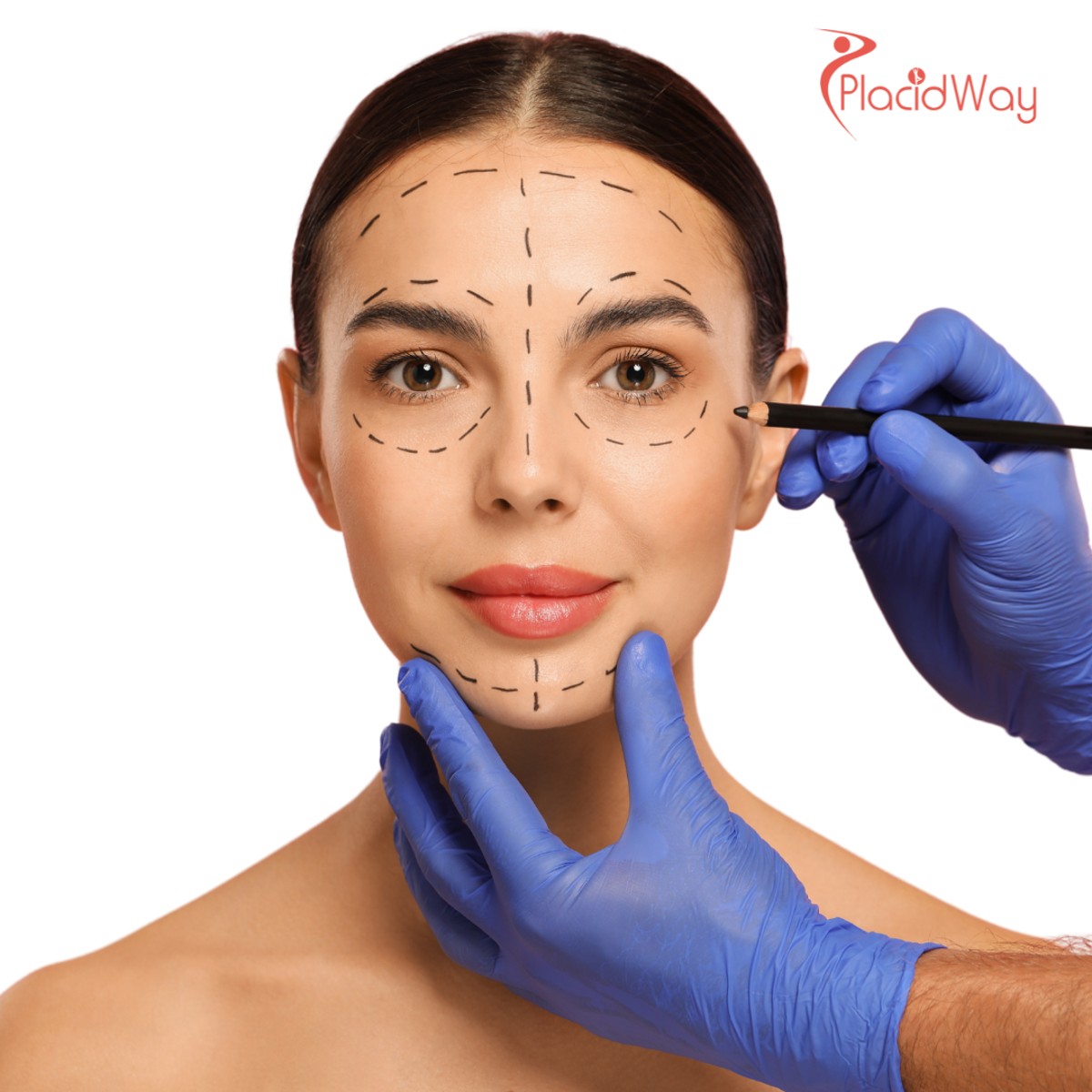
.png)
.png)
.png)

Share this listing